



How to Minimize Vehicle Abuse
A used company vehicle in poor condition, because of driver abuse or neglect will result in lost resale value. Fleets that have clearly articulated policies about vehicle upkeep and misuse receive a better quality product to remarket.

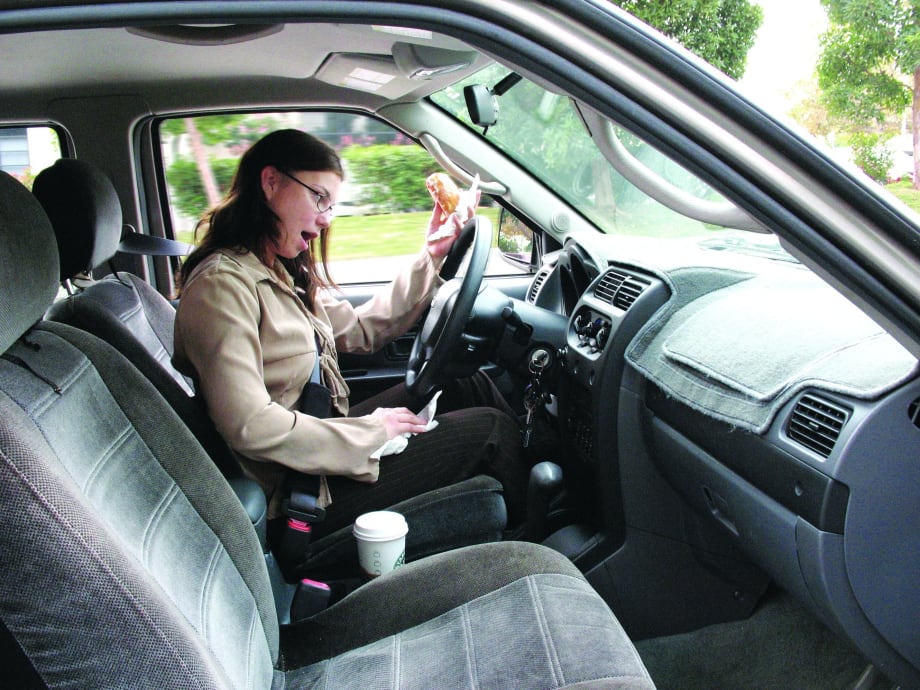
The resale value of a used vehicle is determined by three factors: the unit’s age, overall mileage, and vehicle condition. A used company vehicle in poor condition, because of driver abuse or neglect, will result in lost resale value or incur unnecessary reconditioning expense at auction. Just as egregious as vehicle abuse is vehicle neglect, such as not changing the motor oil, which results in engine damage. Another aspect of vehicle abuse occurs with drivers who smoke. Most companies have no-smoking policies while driving company vehicles; however, some furtive smokers are notorious about ignoring this prohibition. When taken to auction, a smoker’s car, on average, results in a deduct of several hundred dollars on resale, because of the pervasive tobacco odor and, invariably, cigarette-burned upholstery.
These abusive employees have little regard for the company asset and often use the interior of their vehicle as a convenient garbage can. While a vehicle is in company service, a littered interior, such as this, can represent a potential safety and liability hazard if a driver’s foot movement for braking and accelerating is impaired by a bottle or soda can rolling on the floorboard. This can, and does happen.
Fleets that have clearly articulated policies to employees about vehicle upkeep and misuse receive a better quality product to take to auction. This isn’t anything new; most companies already have prohibitions about vehicle misuse in their written fleet policies.
The problem (and this isn’t new either) is that the majority of companies do not enforce these policies, except in the most egregious circumstances.
Asking drivers to take better care of their vehicles is usually sufficient for the overwhelming majority of drivers. However, there are other employees who simply pay lip service to the policy, especially when they know that there are no consequences from doing otherwise. Even with written policies in place, managers are sometimes reluctant to penalize abusive drivers, especially in situations that involve executives or top sales performers. Another problem is that, although these policies are “on the books,” they have not been adequately communicated to new-hires or employees assigned a company vehicle for the first time. Plus, there is a great amount of gray area since there is no industry consensus delineating the borderline between normal wear-and-tear and abuse. All of us recognize blatant abuse, but is a torn seat or scrapped bumper abuse or normal wear-and-tear?
Communicating Fleet Policy
As the fleet manager, you need to communicate these policies to employee drivers. Communication does not mean simply having an employee sign a statement acknowledging the receipt and reading of the fleet policy. It involves a campaign of ongoing communication.
One way to deter abuse is through regular vehicle inspections. One fleet requires mandatory quarterly checks of its vehicles — twice by the driver, who submits a vehicle condition report, and twice while accompanied by his or her manager. Every driver should know the rules governing the use of a company vehicle. Not only should they be aware of these rules, but they must also understand what actions will be taken for non-compliance.
Some companies charge the driver responsible for vehicle damage; however, as a word of caution, some states deem such payroll deductions as illegal. Other fleets assess financial liability to the operating department instead.
Another form of penalty is to restrict driving privileges, such as losing personal-use of the company-provided vehicle. Penalties are an effective deterrent to vehicle abuse and/or neglect if they are vigorously enforced. While companies differ on what constitutes abuse and how to handle negligent drivers, they agree on one thing — a written policy, which clearly defines abuse, its penalties, which are vigorously enforced, is the best way to minimize it.
Originally posted on Automotive Fleet
More Operations

The Data-Driven Haul: 5 Ways AI is Leveling the Playing Field in Auto Transport
Large and small transport fleets are becoming more competitive as predictive analytics and real-time data inform the logistics decision chain.
Read More →
How to Speak the Same Language on Fleet Safety
Drivers, supervisors, and data often speak different safety “languages.” Getting on the same page will drive better results.
Read More →
2026 CAR Awards Celebrate Industry Excellence
CAR’s annual Fleet Remarketing Awards opened a reimagined 2026 conference designed to bridge the worlds of fleet management and automotive remarketing.
Read More →
The Predictive Pivot: How AI and Data Are Redefining Auto Logistics in 2026
AI is no longer a luxury but the baseline for profitability in 2026. Auto haulers that adopt these tools now will quickly outpace those using manual workflows and taking a wait-and-see approach.
Read More →
The Predictive Pivot: How AI and Data Are Redefining Auto Logistics in 2026
AI is no longer a luxury but the baseline for profitability in 2026. Auto haulers that adopt these tools now will quickly outpace those that use manual workflows or take a wait-and-see approach.
Read More →
CAR 2026 Recap Part 2: Closing the Gap Between Data & Remarketing Value
The second half of CAR 2026 examined how fleets can translate lifecycle strategy, vehicle data, and market shifts into higher real-world results.
Read More →
CAR2026 in Two Words: Velocity, Value (Part 1)
The 2026 Conference of Automotive Remarketing convened with a mandate to involve a new constituency — fleet managers — and an updated mission to demonstrate unrealized value in de-fleeted vehicles.
Read More →
CAR 2026: Get the Wall Street Update on the Key Players in Remarketing
From a Wall Street analyst's take on remarketing's key players to whether fleets need their own version of Carfax, CAR 2026's afternoon roundtables will answer key operational and industry questions.
Read More →
CAR 2026 Session to Uncover the Missing Data That's Costing Fleets at Disposal
Work trucks lose value at remarketing, not because they aren't worth more, but because the data to prove it rarely makes it to the auction.
Read More →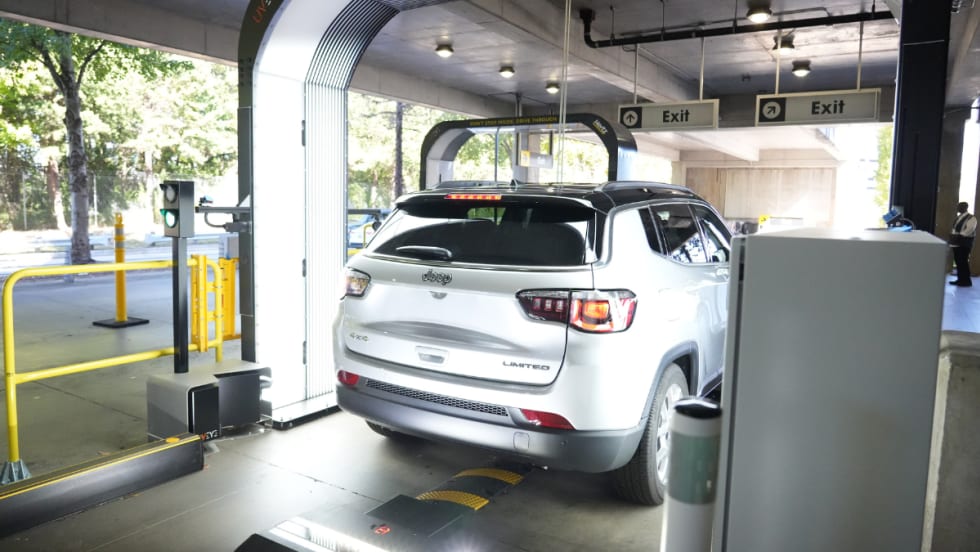
TSD Mobility, UVeye Partner On Automated Vehicle Inspections
The enhanced technology allows rental car operations, dealerships, and auctions to compare a vehicle’s condition at pickup and drop-off within the same rental or loaner record.
Read More →