



Does Negotiated Employee Pricing Comply With Sarbanes-Oxley?
When the selling prices of used company vehicles are negotiated individually with employees, rather than sold at a fixed price, there may be a perception that not all employees are treated uniformly under fleet policy.

Compliance with the Sarbanes-Oxley Act of 2002 is mandatory for all publicly traded corporations. Under the federal law, corporations must eliminate all conflicts of interest, establish processes to ensure honest corporate disclosure, and govern with greater accountability. Furthermore, the legislation mandates accuracy of a company’s financial reports, requiring finance departments to better understand the true picture of a company’s inventory and assets, such as with fleet. The Sarbanes-Oxley Act was the legislative reaction to the spate of corporate scandals involving companies such as Enron, Tyco, WorldCom, and Adelphia. The law is named after then-Sen. Paul Sarbanes and then-Rep. Michael Oxley, the bill’s key sponsors.
Impact on Fleet Operations
How a fleet complies with Sarbanes-Oxley (SOX) depends if it constitutes a material part of its company’s financial processes. It is these companies that are most likely to include fleet operations in their SOX compliance audit.
When selling out-of-service company vehicles to employees, companies need to ensure that fleet policy is uniformly applied — without exceptions — and that all buyers are treated uniformly and consistently. However, when the selling prices of used company vehicles are negotiated individually with employees, rather than sold at a fixed price, there may be a perception that not all employees are treated uniformly under fleet policy. This is especially the case if certain employees receive preferential pricing in the purchase of out-of-service fleet vehicles. Although primarily an ethics issue, if a fleet manager is actively involved in individual price negotiations, it is prudent that he or she documents the procedures for this corporate policy. Auditors want to ensure that fleet policy is being enforced uniformly and consistently throughout the organization.
Other SOX Compliance Issues
Another potential fleet compliance issue lies with decentralized fleets, where P&L responsibilities are distributed among different business units and fleet policy is implemented at the local level. This may result in a lack of uniformity in fleet policies. Using the earlier employee sales example, a regional manager may administer the program differently than other managers.
Vendor selection is a third potential compliance issue. When a company selects fleet suppliers, those decisions must be done in a consistent manner, as documented in the corporation’s purchasing guidelines. The process for supplier selection needs to be documented, and the process must be tightly managed to ensure there is no appearance of impropriety.
SOX audits involving fleet operations typically examine the processes in place to validate the accuracy of the fleet billing and to validate that calculations are done consistently and correctly. A proactive fleet manager will review internal processes to ensure they are properly documented and establish a system to conduct periodic audits. Other potential fleet compliance requirements are:
• Documentation on how the lease payment is computed. This includes periodic audits of new-vehicle notices to ensure the vehicle acquisition price and fleet incentives are accurately represented and properly calculated in the lease payment.
• A system to track fleet incentive monies to ensure the amount of monies agreed to were actually received from the manufacturer.
• Internal process documentation for company-vehicle eligibility for new hires to ensure a vehicle isn’t assigned until a specific point in the hiring process. Auditors want to ensure there is a system in place so a vehicle cannot be ordered without proper authorization.
If a fleet manager has good processes in place, he or she will be able to lead the discussion on SOX compliance, showing how fleet transaction accuracy is validated, especially when selling out-of-service vehicles to employees.
Originally posted on Automotive Fleet
More Fleet
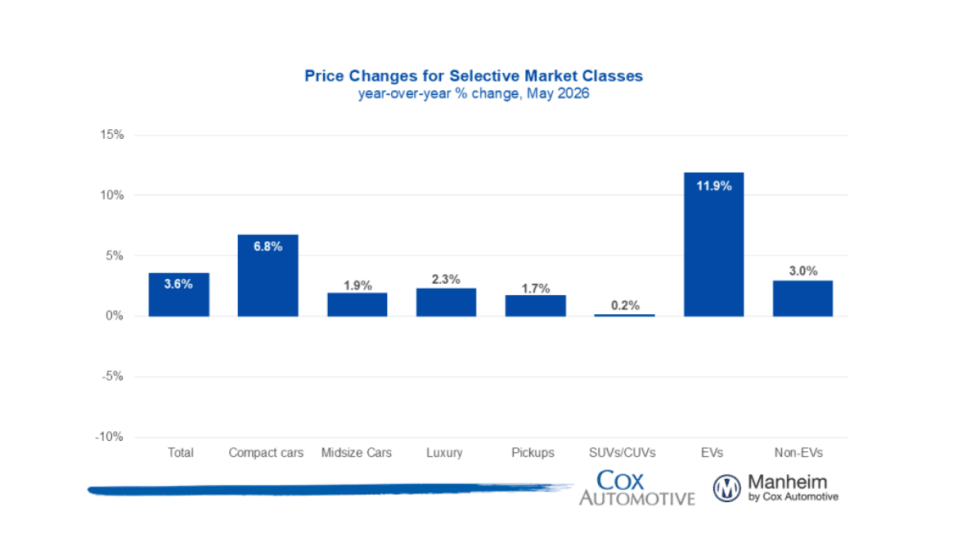
Wholesale Used Vehicle Market Sustains Moderate Rise In Values, Prices
Trends continue to normalize after a strong start to the year, as consumers contend with higher gas prices in the coming summer months.
Read More →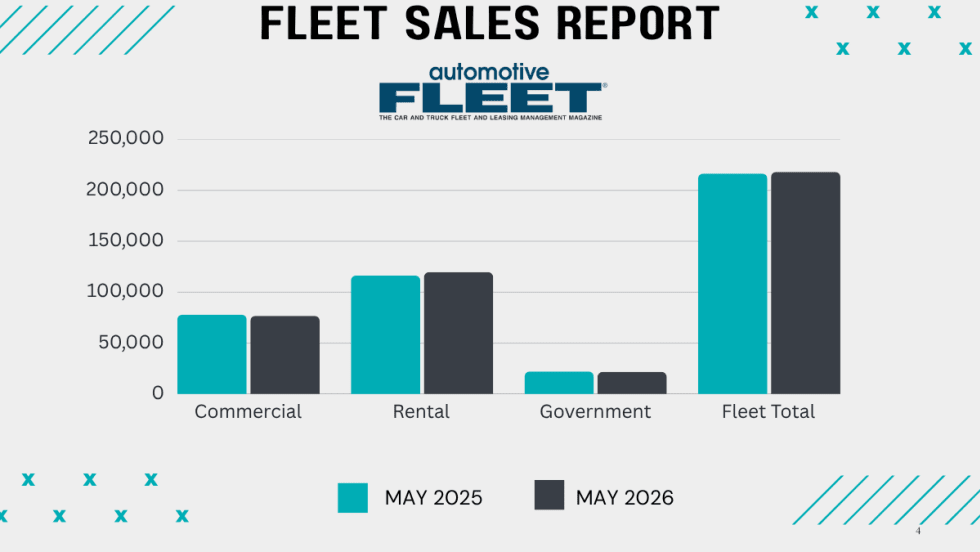
Commercial Fleet Sales Still Lead Sectors Despite May Mini Dip
The U.S. economy's continued growth and positive business investment are creating a favorable environment for fleet vehicle demand.
Read More →
The Data-Driven Haul: 5 Ways AI is Leveling the Playing Field in Auto Transport
Large and small transport fleets are becoming more competitive as predictive analytics and real-time data inform the logistics decision chain.
Read More →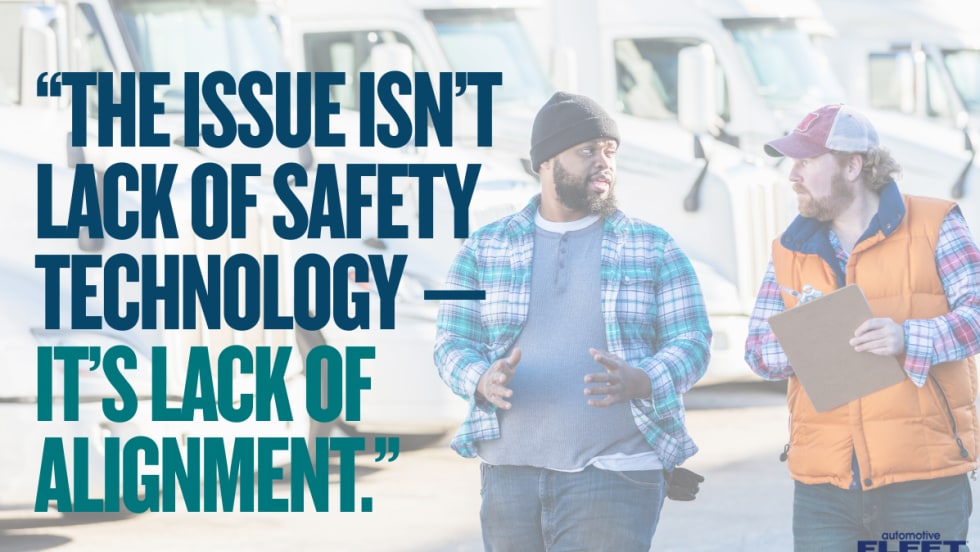
How to Speak the Same Language on Fleet Safety
Drivers, supervisors, and data often speak different safety “languages.” Getting on the same page will drive better results.
Read More →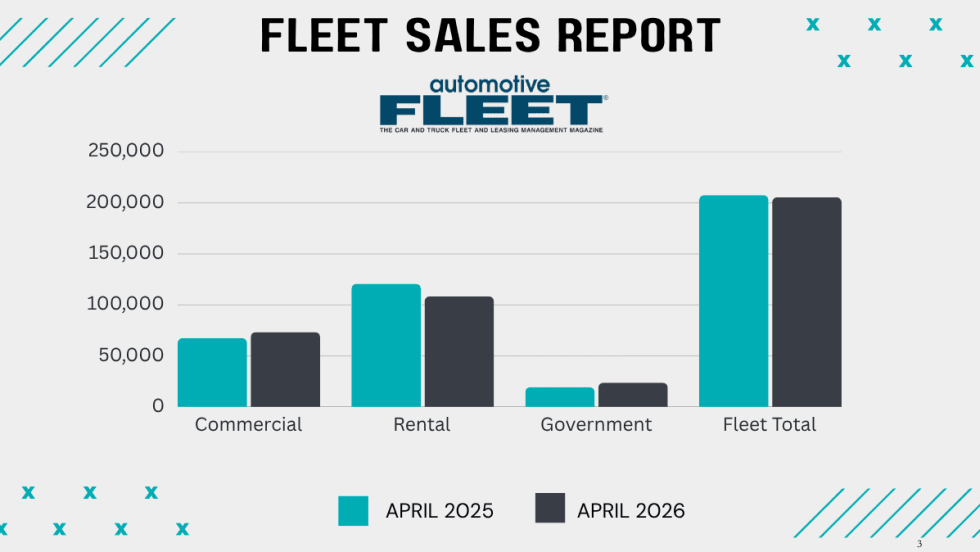
Commercial Fleet Sales Show Healthy Gains
So far, the fleet sector is outshining government and rental fleet sales this year as economic growth spurs more business investment.
Read More →
The Predictive Pivot: How AI and Data Are Redefining Auto Logistics in 2026
AI is no longer a luxury but the baseline for profitability in 2026. Auto haulers that adopt these tools now will quickly outpace those using manual workflows and taking a wait-and-see approach.
Read More →
The Predictive Pivot: How AI and Data Are Redefining Auto Logistics in 2026
AI is no longer a luxury but the baseline for profitability in 2026. Auto haulers that adopt these tools now will quickly outpace those that use manual workflows or take a wait-and-see approach.
Read More →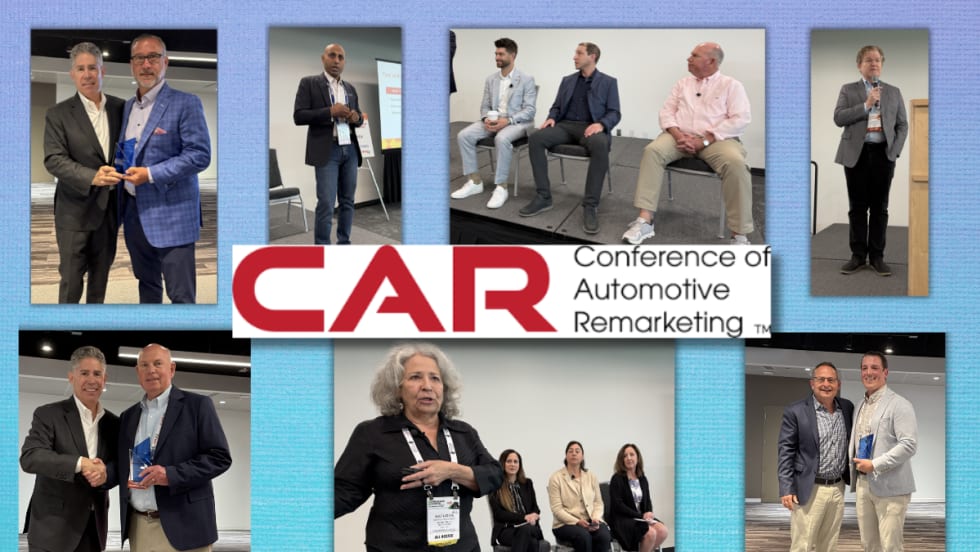
CAR 2026 Recap Part 2: Closing the Gap Between Data & Remarketing Value
The second half of CAR 2026 examined how fleets can translate lifecycle strategy, vehicle data, and market shifts into higher real-world results.
Read More →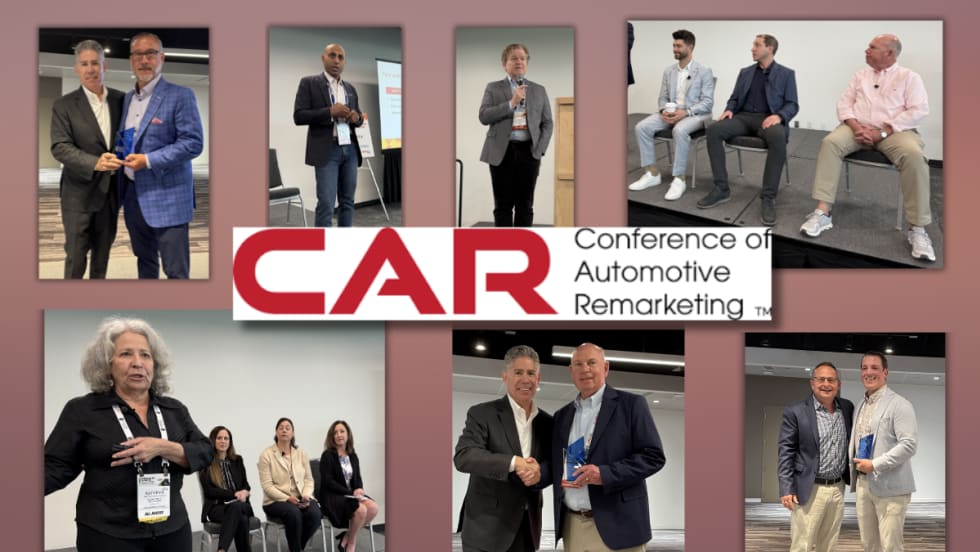
CAR2026 in Two Words: Velocity, Value (Part 1)
The 2026 Conference of Automotive Remarketing convened with a mandate to involve a new constituency — fleet managers — and an updated mission to demonstrate unrealized value in de-fleeted vehicles.
Read More →
Launch of Fleet Remarketing Association Signals New Era for Vehicle Lifecycle Value and Data Stewardship
The Association, dedicated to advancing the remarketing phase of the vehicle lifecycle, held its kick-off meeting on April 16 at the 2026 Conference of Automotive Remarketing (CAR) in Cleveland.
Read More →