



Hitting the Remarketing Bull's-Eye
Remarketing considerations begin before purchasing a vehicle and continue through its operational life. Fleet managers should always keep an eye to the future when managing fleet assets.
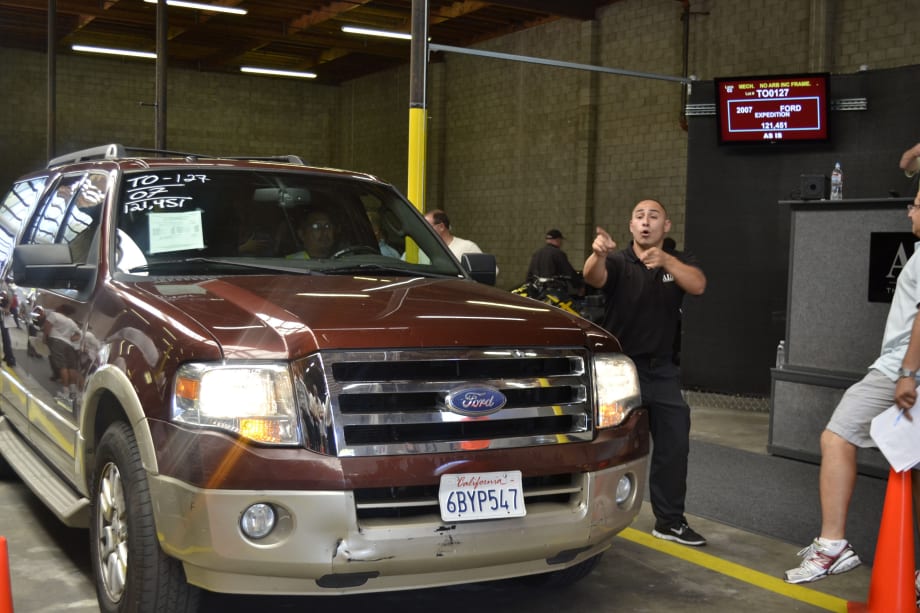
Vehicles that aren’t well cared for can see their value plummet at auction. The circled area above shows damage on a vehicle up for auction that can severely impact its resale value. Fleet managers should work with their drivers to make sure vehicles are kept in tip-top shape.
Vehicles that aren’t well cared for can see their value plummet at auction. The circled area above shows damage on a vehicle up for auction that can severely impact its resale value. Fleet managers should work with their drivers to make sure vehicles are kept in tip-top shape.
With today’s high demand and scarce supply of used vehicles, fleet managers across the industry are looking to get even more out of their remarketing efforts. And, that process begins long before resale. Research shows that true remarketing value isn’t limited to the efforts immediately surrounding an acquisition or sale. It comes from many of the smaller efforts and metrics that happen before, during, and after a vehicle purchase. If you’re looking to jumpstart the fleet’s remarketing efforts, use these steps to uncover new value beyond the sale.
Pre-Purchase Practices
There are several key steps to consider before making a purchase decision. The key is to look for efficiency of effort. Every vehicle option has cost implications from the model down to the color and features. Don’t be overwhelmed by the sea of options.
The fact is, value-based purchasing cannot happen in a vacuum. Completing a thorough resale review before purchase can make the decision-making process much easier and more cost effective. Obviously, making sure the vehicle matches the business need first is crucial, but after that look for models and options that will most appeal to drivers and other potential buyers. There are no hard and fast rules for timing a resale. Values are affected by trends in color, features, mileage, and brand reputation. Color trends vary with time, but green consistently ranks low and silver ranks high; however, fleet managers can’t rely on trends alone. Instead, they must consider the context of their location, model, uses, and vehicle lifecycle.
While a white sedan may be ideal in Nevada, the color could be seen as a negative in New York City, lowering the resale price in that market. The same disparity can be seen between vehicle models. A red pickup truck might ultimately be in high demand, but the same shade sedan would get pushed to the back of the resale line. By considering the trends, geographic region, and model, managers can work to select a winning combination of factors to maximize resale potential.
Selecting features is equally, if not more, important. Vehicle models are often based on the unique needs of the fleet, and, since most vehicles come with a long list of “standard” equipment, most added features are purely for convenience and resale value. It becomes a matter of weighing the added long-term return and driver impact against the up-front cost.
For example, optional diesel engines have strong retention values in the industry. This kind of green option can provide significant cost and environmental benefits. While the availability of this feature is limited to specific models, the options are growing.
Other examples of equipment options that provide added resale value include: leather interior, sunroofs, upgraded alloy wheels, truck bed liners, and consoles. While these additions may seem excessive, they can provide a significant return come resale. Often, managers offer these upgrades to drivers as part of a paid option, which the driver can opt to pay out of pocket for luxury features. This provides the best of both worlds: decreased company cost and increased resale potential.
The final, pre-purchase consideration should be the fleet’s replacement schedule. Make sure vehicles have the right balance between months and mileage to hit the depreciation target in the bull’s-eye.
Post-Purchase Practices
Once a transaction is complete, some fleet managers tend to look elsewhere for value. With years to go before the resale, vehicles in service can fall off the value radar. This can be a mistake. Vehicle condition and wear is arguably the largest variable in the resale process. Two cars of the same make, model, year, and color can vary by thousands of dollars based on condition alone. When vehicles are on the road, managers have little to no control over the condition of their vehicles.
Therefore, it’s important to have a good maintenance program in place to keep the vehicle in good condition, but fleet managers should also enlist the help of an often overlooked ally — the driver.
Creating both a driver safety and incentive program can help reduce accidents, increase vehicle care, and consequently maximize resale value. Vehicles that have been in automotive accidents have significantly lower resale values, not to mention the increased cost of repairs. Rewarding drivers for good behavior can help reduce this risk, while increasing driver engagement to ensure optimum resale. Common incentives include broad-scale peer recognition, such as acknowledgment during a companywide event; tangible rewards, such as plaques, trophies and catalogue prizes; or monetary reinforcement.
Research shows that drivers who have some financial stake in their vehicles will take better care of them. Along with reducing the up-front company cost, the driver-paid option gives drivers an incentive to protect vehicle value. Drivers who pay for upgrades are also more likely to feel personally invested in the vehicle and its care. As a result, the feeling of ownership and responsibility for fleet vehicles is distributed beyond management. Additionally, the driver-paid option boosts the likelihood of an employee direct vehicle sale — since the vehicle was built based on the driver’s preferred specifications they often want to keep the vehicle.
Beyond the specific vehicle driver, company-wide employee sales programs can help save fleets significant costs. By posting vehicles to an online portal for company employees before putting the vehicle up for auction, fleet managers can eliminate many remarketing costs. Selling directly to an employee or an employee’s friends and family provides buyers with attractive wholesale pricing that is lower than market vehicle prices and allows the fleet to eliminate transportation, auction, storage, and other fees.
[PAGEBREAK]
Resale Promotion Practices
Once a vehicle has completed its service to the company, managers must strategically time its replacement. In resale, timing is everything. A poorly timed replacement schedule can result in extended operating costs and work-flow interruption. Through tactical scheduling, the replacement time and location can allow drivers to drop off their old vehicle and pick up their new vehicle.
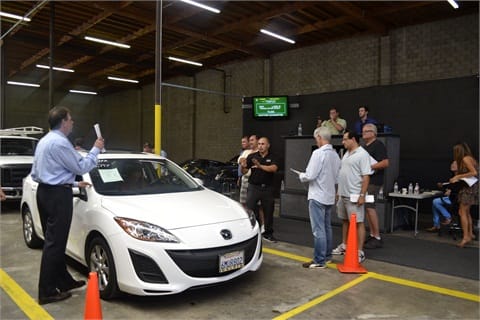
Choosing a vehicle color can be a crucial factor between a good auction return or a poor return. White is a popular color across most fleet markets.
Another commonly overlooked step is promoting vehicles for resale. Some managers consider auctions as their best option. However, employee purchases offer another valuable resale option and can potentially increase returns. Managers can increase vehicle exposure through online listing venues and virtual auctions, which expands the manager’s selling options. It’s now a first-come, first-serve resale process. Managers can now reach multiple types of buyers, including individuals, dealers, salvage, specialty, and international buyers — putting the power back in the hands of fleet managers.
In post-recessionary times, it’s even more important to uncover value in new and unique areas. Remarketing efforts can yield dramatic upside value if done in a continually connected process. Take a close look at how and where you spend your time before, during; and after a sale. Each additional effort has the potential to add exponential value at every turn.
About the Author
Bob Graham is the vice president of vehicle remarketing for ARI – Automotive Resources International in Mount Laurel, N.J. Graham is also the past president of the International Automotive Remarketers Alliance (IARA). He can be reached at BGraham@arifleet.com.
Originally posted on Automotive Fleet
More Fleet
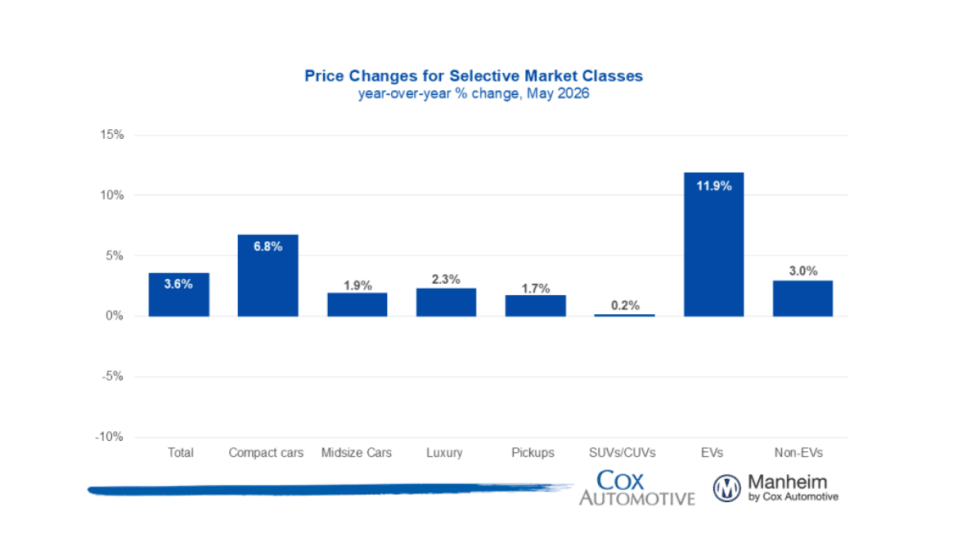
Wholesale Used Vehicle Market Sustains Moderate Rise In Values, Prices
Trends continue to normalize after a strong start to the year, as consumers contend with higher gas prices in the coming summer months.
Read More →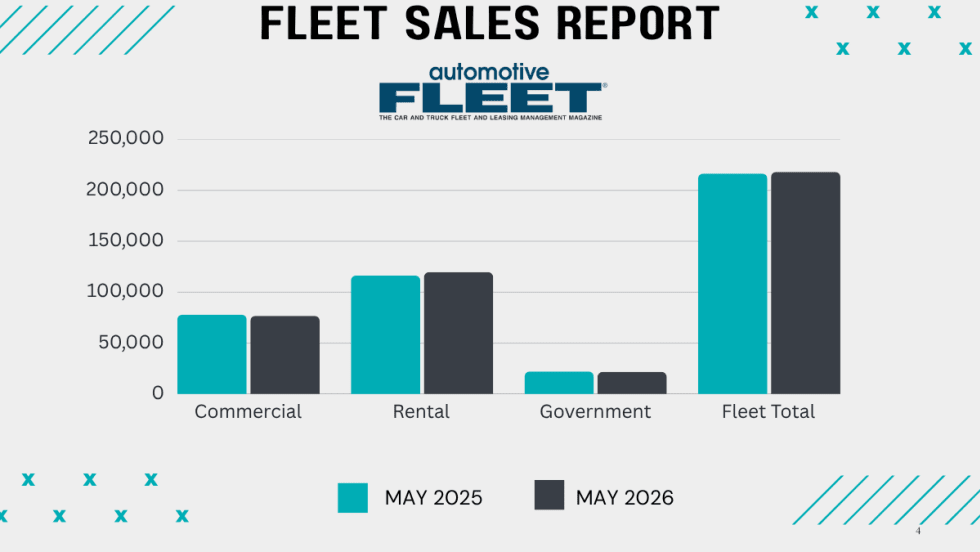
Commercial Fleet Sales Still Lead Sectors Despite May Mini Dip
The U.S. economy's continued growth and positive business investment are creating a favorable environment for fleet vehicle demand.
Read More →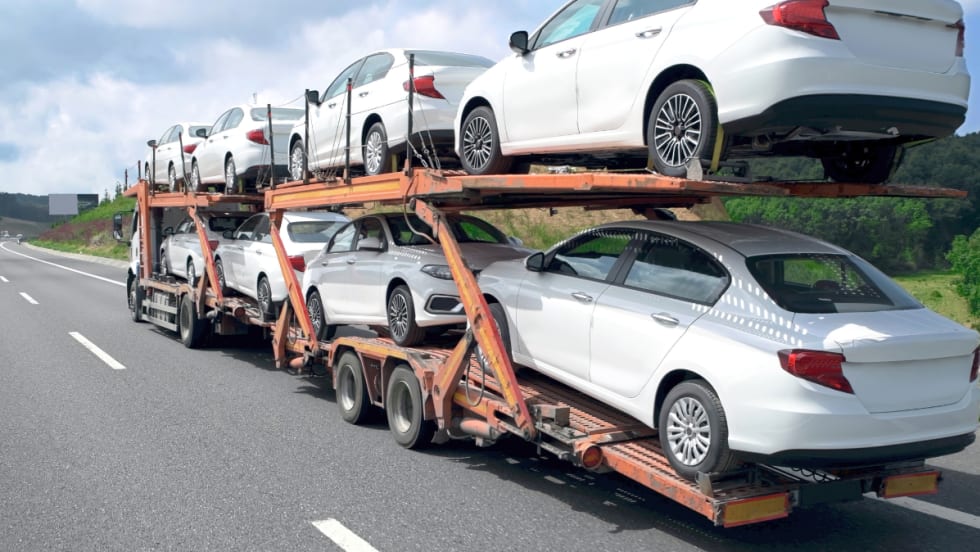
The Data-Driven Haul: 5 Ways AI is Leveling the Playing Field in Auto Transport
Large and small transport fleets are becoming more competitive as predictive analytics and real-time data inform the logistics decision chain.
Read More →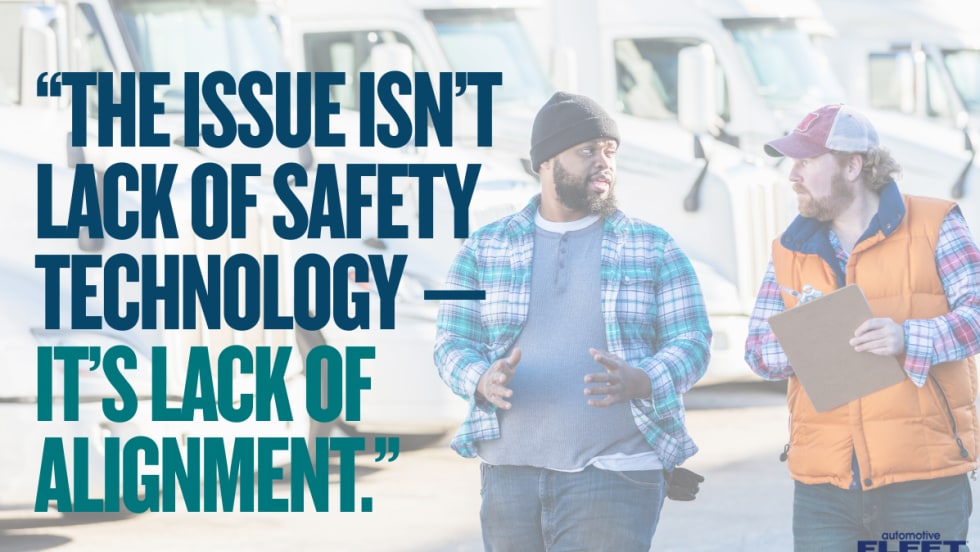
How to Speak the Same Language on Fleet Safety
Drivers, supervisors, and data often speak different safety “languages.” Getting on the same page will drive better results.
Read More →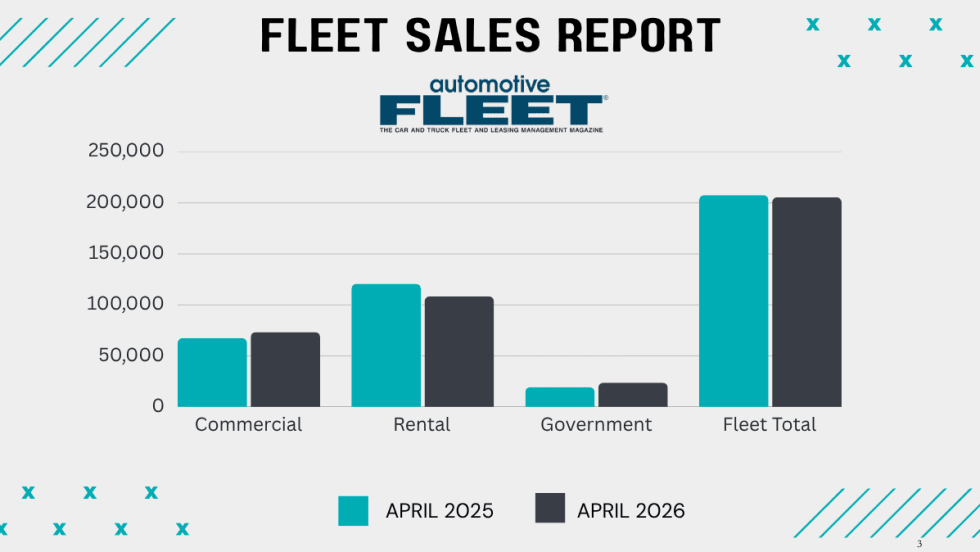
Commercial Fleet Sales Show Healthy Gains
So far, the fleet sector is outshining government and rental fleet sales this year as economic growth spurs more business investment.
Read More →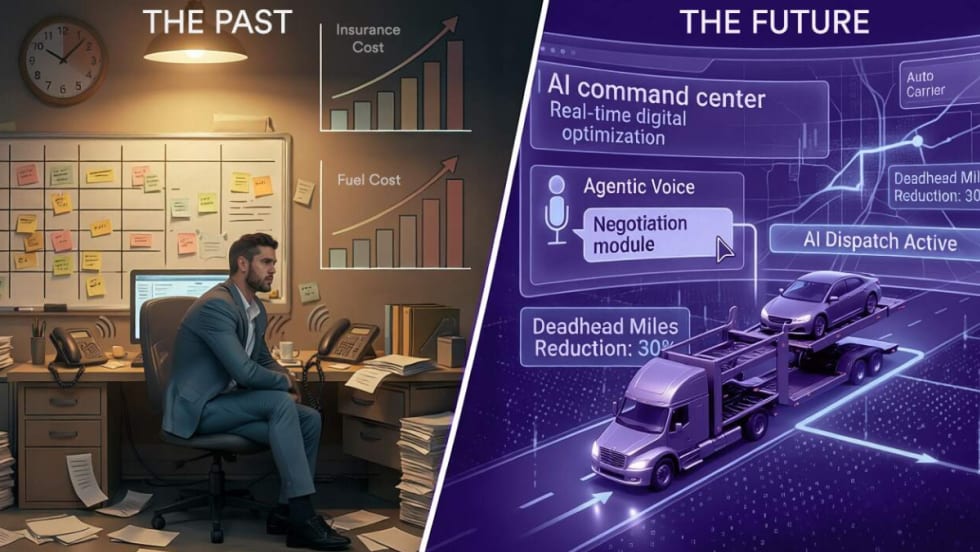
The Predictive Pivot: How AI and Data Are Redefining Auto Logistics in 2026
AI is no longer a luxury but the baseline for profitability in 2026. Auto haulers that adopt these tools now will quickly outpace those using manual workflows and taking a wait-and-see approach.
Read More →
The Predictive Pivot: How AI and Data Are Redefining Auto Logistics in 2026
AI is no longer a luxury but the baseline for profitability in 2026. Auto haulers that adopt these tools now will quickly outpace those that use manual workflows or take a wait-and-see approach.
Read More →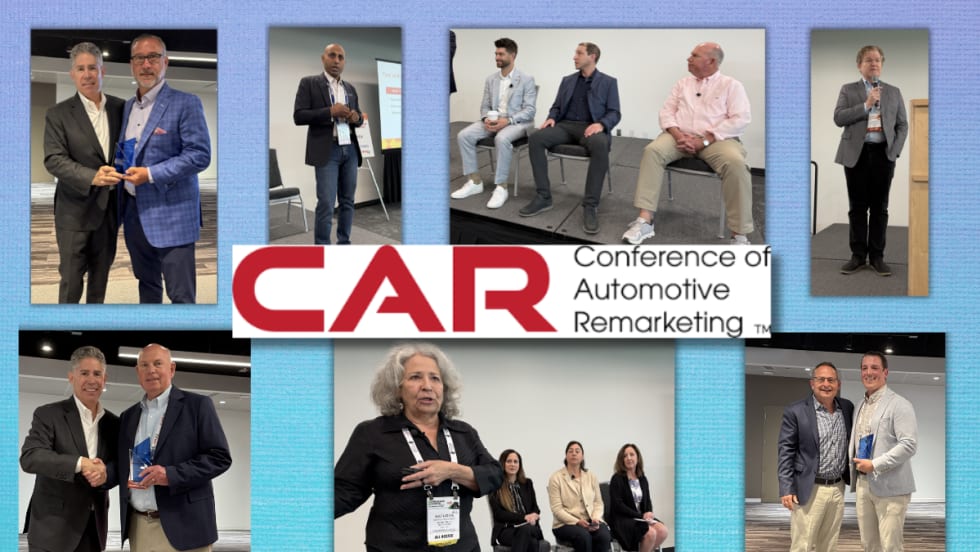
CAR 2026 Recap Part 2: Closing the Gap Between Data & Remarketing Value
The second half of CAR 2026 examined how fleets can translate lifecycle strategy, vehicle data, and market shifts into higher real-world results.
Read More →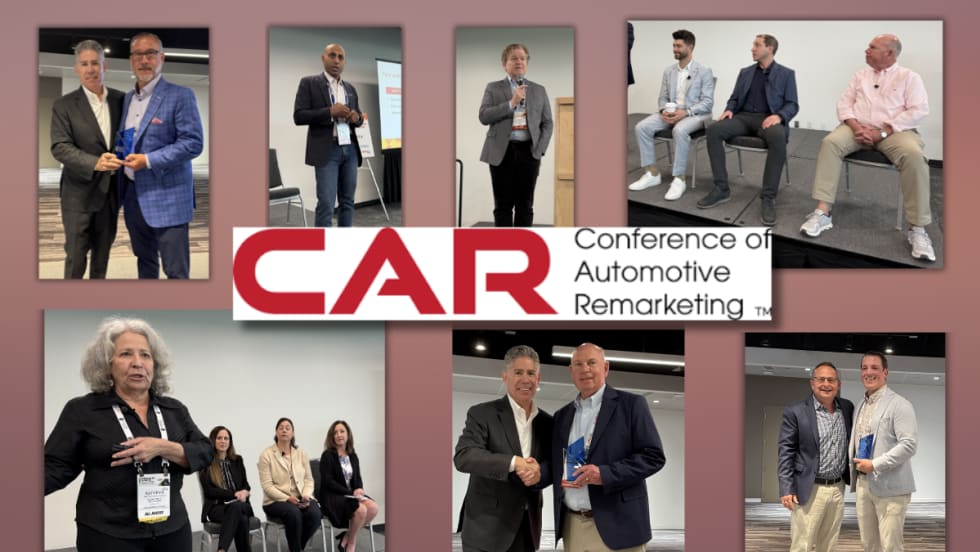
CAR2026 in Two Words: Velocity, Value (Part 1)
The 2026 Conference of Automotive Remarketing convened with a mandate to involve a new constituency — fleet managers — and an updated mission to demonstrate unrealized value in de-fleeted vehicles.
Read More →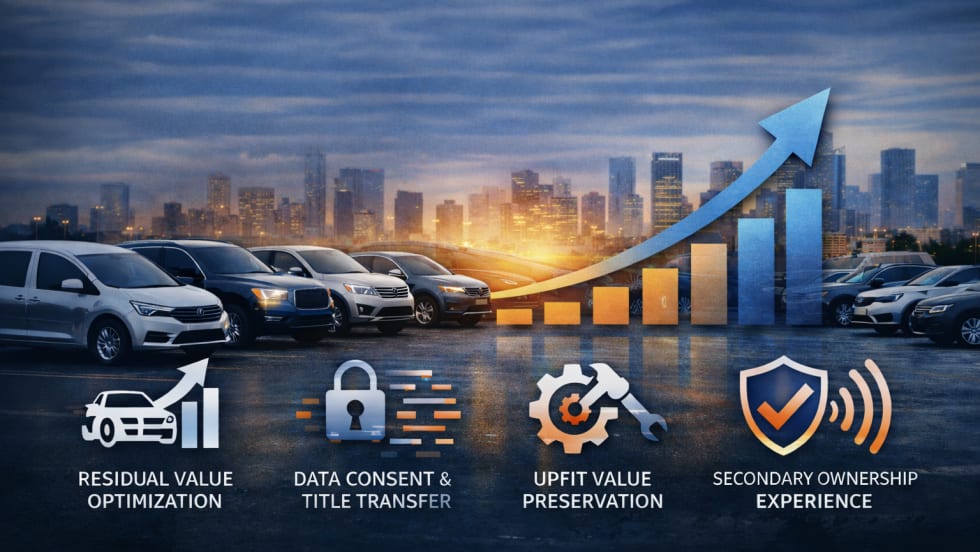
Launch of Fleet Remarketing Association Signals New Era for Vehicle Lifecycle Value and Data Stewardship
The Association, dedicated to advancing the remarketing phase of the vehicle lifecycle, held its kick-off meeting on April 16 at the 2026 Conference of Automotive Remarketing (CAR) in Cleveland.
Read More →