



Will Full-Size Pickup Resale Values Parallel
A concern is emerging about the future softening of full-size pickup resale values, based on a potential supply-and-demand imbalance in the segment that may parallel the soft full-size SUV resale market.



The used-vehicle market in the 2002-2003 calendar years was among the most difficult markets in recent memory. As we enter 2004, the near-term concern is the volume of new-vehicle incentives that auto manufacturers are offering to stimulate the retail sales of their 2004 models. Historically, retail incentives have exerted downward pressure on used-vehicle prices.
However, a new and embryonic concern is emerging about a future softening of resale values for full-size pickups. Currently, and throughout the 1990s, resale values for full-size pickups have been extremely strong. The concern is that the supply-and-demand imbalance we are seeing today with SUVs in the wholesale market may be repeated in upcoming years in the full-size pickup market.
Although the lease guide books have lowered forecasts for pickup truck residuals, along with all other vehicle segments, the question by some is whether pickup residuals were lowered enough. Will we see a softening in the used-pickup truck market? Might pickups be headed down the same path as full-size sport/utility vehicles? There are arguments to support this contention if you look at the dynamics of today’s pickup truck market and how it parallels the SUV market.
According to Raj Sundaram, president of Automotive Lease Guide (ALG), pickups continue to be in strong demand in the wholesale market. But there is a concern that future residual values for pickups may follow the same course as the resale values of full-size SUVs. As the full-size SUV category proliferated with new models, they saturated the wholesale market, causing supply to exceed dealer and consumer demand. These types of imbalances in the wholesale market have a way of correcting themselves with downward price adjustments. As a result, resale values plummeted for full-size SUVs.
“While it is not an exact comparison, our concern is that there are some parallels between full-size SUVs and what’s happening today with full-size pickups. For example, in 2004, Ford wants to increase the sales volume for its new F-Series, Nissan wants to sell 100,000 units of its all-new Titan full-size pickup, while Toyota wants to sell an additional 30,000 units of its extra cab Tundra pickup. Between just these three manufacturers, they want to sell an additional 200,000 units in the full-size pickup market, which is more than 9 percent of the entire segment’s current volume,” said Sundaram. “The interesting question is where will this volume come from? No industry analyst is forecasting a huge increase in sales volume in 2004. It could be argued that the full-size pickup segment will grow at the expense of the compact pickup segment. Although that may occur, based on the past experience with SUVs, ALG has taken proactive actions and lowered future residuals for full-size pickups. Our concern is that it might be tough for the market to swallow a 200,000-unit increase,” said Sundaram.
Blocking and Tackling
The best way to cope with these difficult market conditions is a need to stick to the basics — the “blocking and tackling” of remarketing, best expressed by veteran remarketer Denny Eisenbrey, national remarketing manager for Household Automotive Finance Corp. “The most efficient and successful remarketing programs ensure that a portfolio performs at the top of a given market, regardless of upturn or downslide. The basics are what make it happen — know your portfolio intimately, know your buyers, and bring them together at your respective auction venues,” said Eisenbrey. This is sound advice to anyone who remarkets vehicles. If you focus on the basics, regardless of market conditions, your portfolio will perform at the top of the market.
Let me know what you think.
mike.antich@bobit.com
More Used Vehicle Values
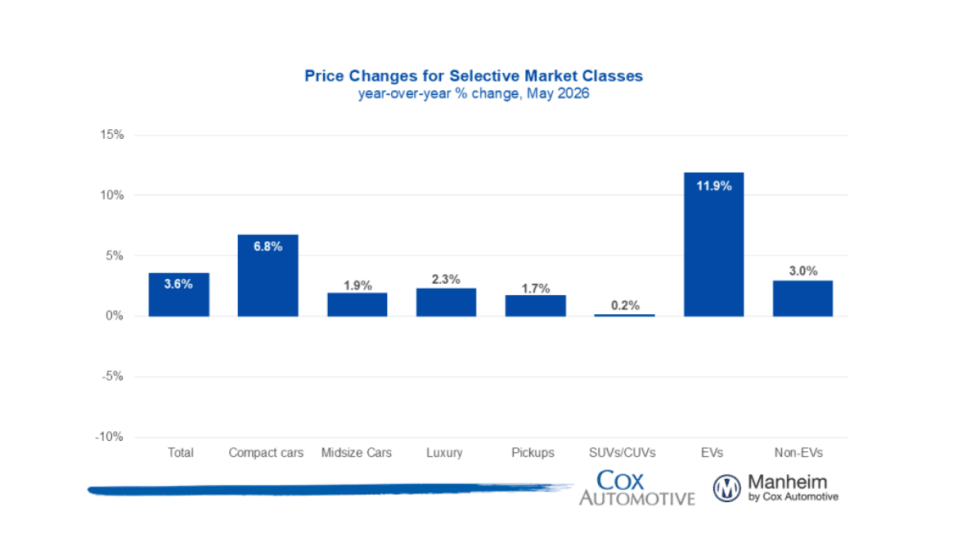
Wholesale Used Vehicle Market Sustains Moderate Rise In Values, Prices
Trends continue to normalize after a strong start to the year, as consumers contend with higher gas prices in the coming summer months.
Read More →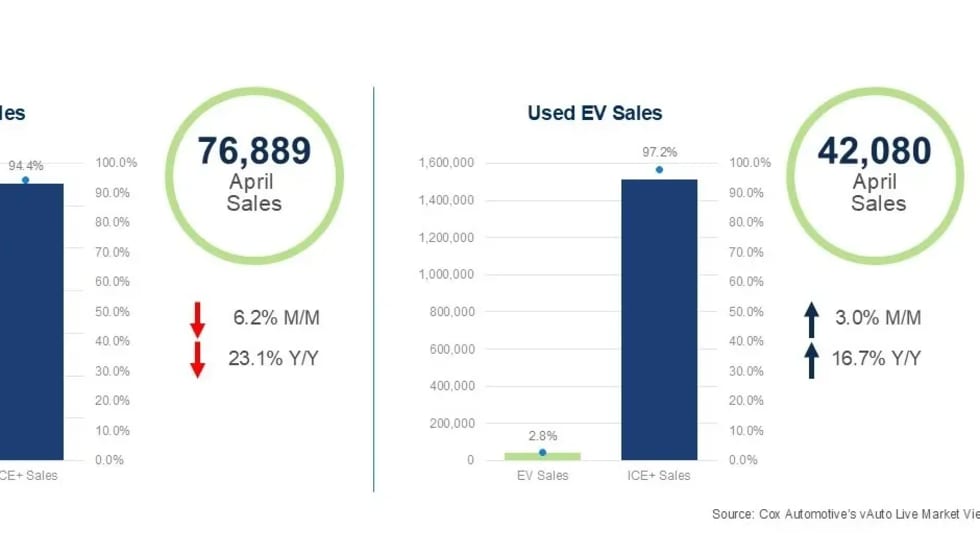
Used EV Sales Grow In April
While EV sales declined, used EV sales grew, as tighter inventory and rising prices reflected a more normalized pace for the EV market.
Read More →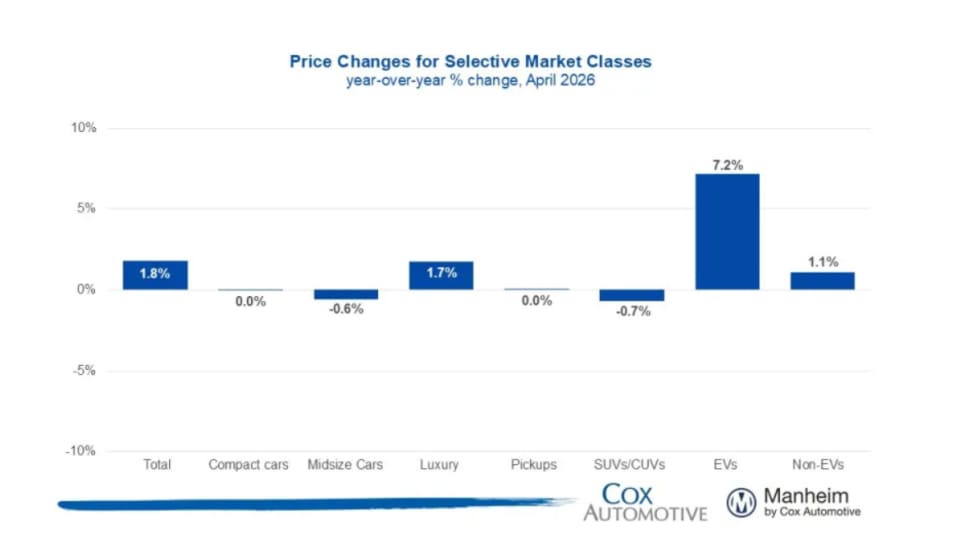
Wholesale Used Vehicle Prices Slightly Up In April
The Iranian conflict and rising gas prices inject much uncertainty into the future wholesale used vehicle markets, as higher gas prices soak up spendable income from vehicle buyers.
Read More →
CAR 2026 Recap Part 2: Closing the Gap Between Data & Remarketing Value
The second half of CAR 2026 examined how fleets can translate lifecycle strategy, vehicle data, and market shifts into higher real-world results.
Read More →
CAR2026 in Two Words: Velocity, Value (Part 1)
The 2026 Conference of Automotive Remarketing convened with a mandate to involve a new constituency — fleet managers — and an updated mission to demonstrate unrealized value in de-fleeted vehicles.
Read More →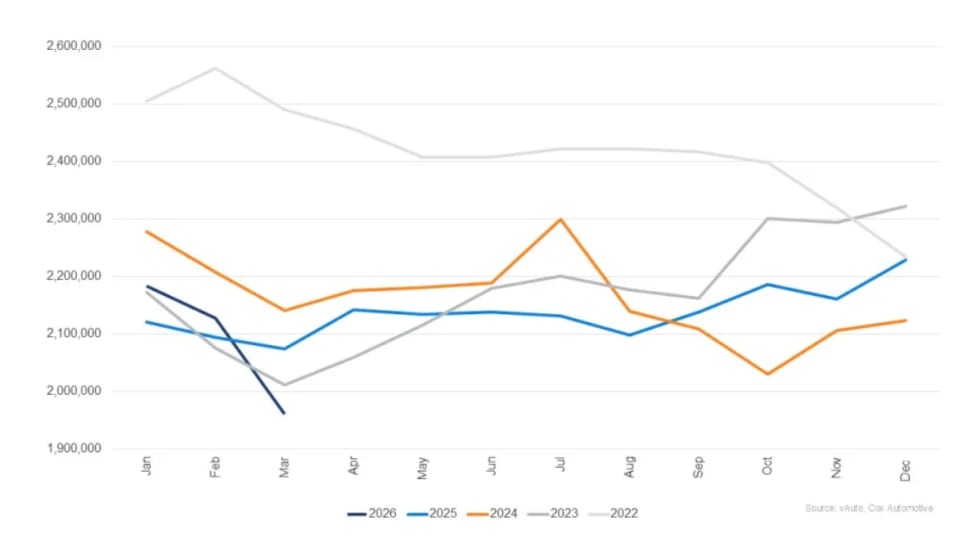
March Used Vehicle Inventory Falls To Lowest Since 2019
Franchised and independent dealers had a total of 1.95 million used vehicles in stock in March, the lowest on record in the current data set.
Read More →
Spring Bounce Pushes Q1 Used Vehicle Values Higher
Demand signals remain strong at auctions, with sales conversions, a clear sign of demand, reaching 68.2% in the most recent measure.
Read More →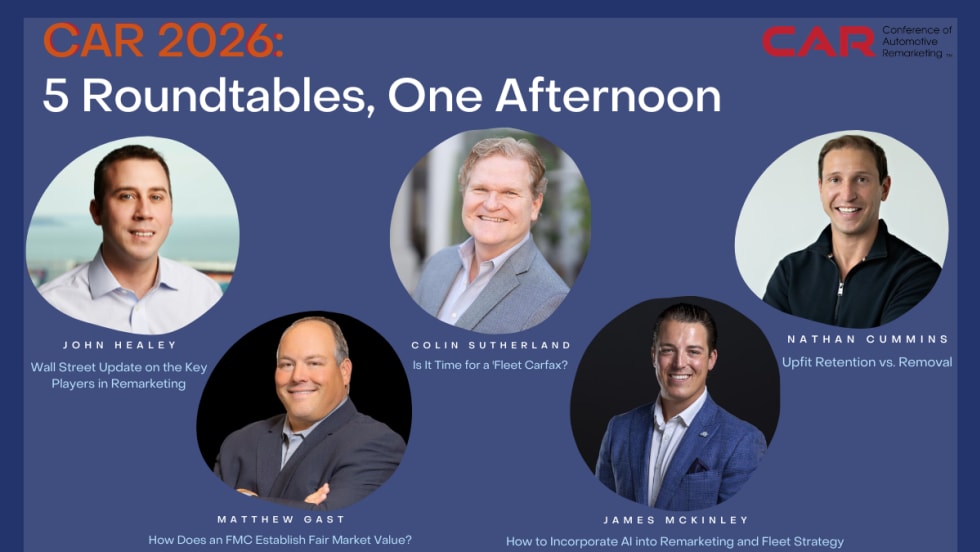
CAR 2026: Get the Wall Street Update on the Key Players in Remarketing
From a Wall Street analyst's take on remarketing's key players to whether fleets need their own version of Carfax, CAR 2026's afternoon roundtables will answer key operational and industry questions.
Read More →
CAR 2026 Session to Uncover the Missing Data That's Costing Fleets at Disposal
Work trucks lose value at remarketing, not because they aren't worth more, but because the data to prove it rarely makes it to the auction.
Read More →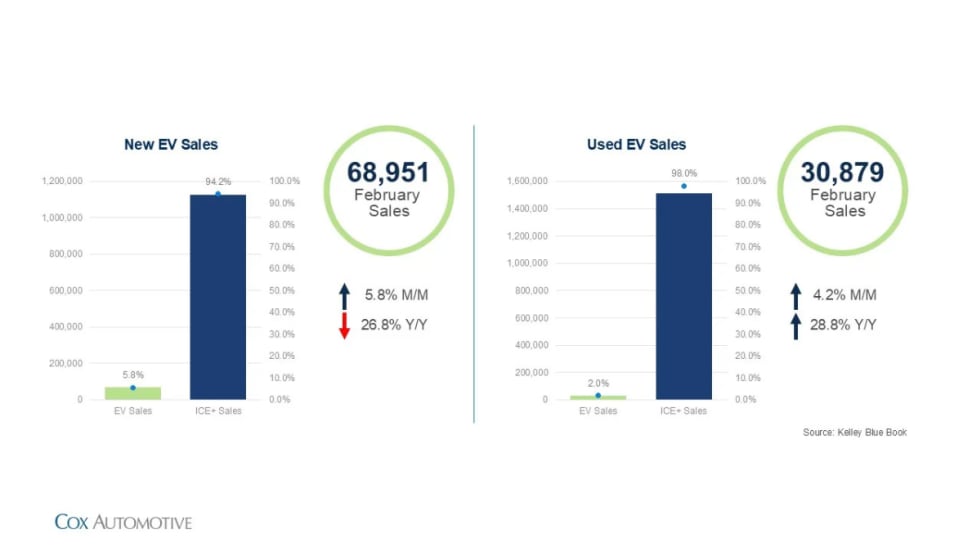
EV Market Feeling The New Reality Of Steep Losses
New EV sales declined year over year in February while used EV demand rose, as prices fell and inventory tightened across both segments.
Read More →